
Accurate roof truss delivery information helps us match the vehicle, load sequence and delivery plan to your site. Trusses are large engineered components, so a postcode and preferred date are not enough. A few practical details can prevent failed access, unsafe unloading or a package arriving before the plot is ready.
Essential roof truss delivery information:
- full site address and a precise delivery entrance;
- named site contact and working telephone number;
- gate, road, height, weight and turning restrictions;
- ground conditions and suitable hardstanding;
- agreed unloading method and available plant;
- plot numbers, priorities and required load sequence;
- delivery-hour restrictions or booking procedures;
- known local hazards, road closures or neighbour constraints.
Photographs and a marked site plan often explain constraints faster than a long email. Tell us if conditions change as groundworks, scaffolding or other trades can alter a route that worked on an earlier visit.

Choose a vehicle that suits the site
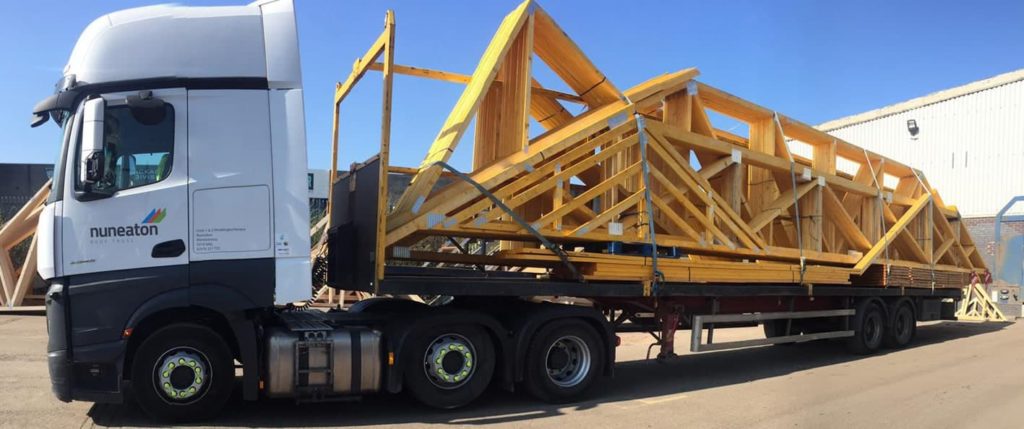
Our delivery operation uses our own transport alongside trusted contracted hauliers, with rigid and articulated options for agreed requirements. An artic can carry a substantial package, but a rigid vehicle may suit a constrained approach better. Vehicle choice still depends on component dimensions, load and route, so share restrictions before dispatch.
Prepare unloading before the vehicle arrives
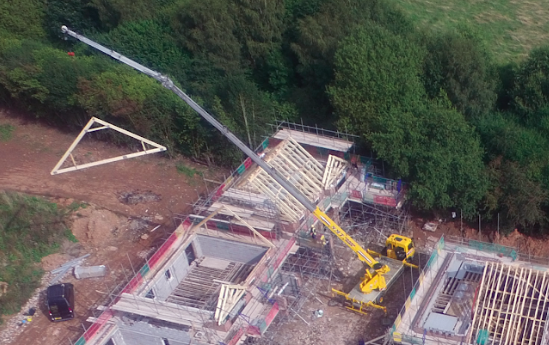
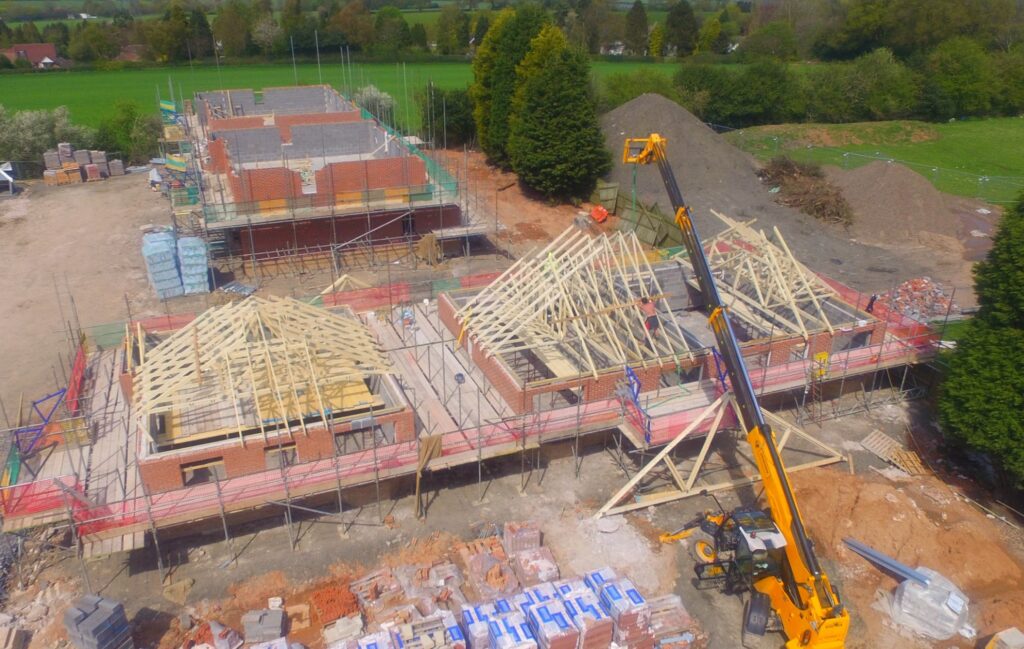
Mechanical unloading is normally the preferred approach. The site controls its unloading operation, lifting plan, exclusion zone and suitable equipment under the relevant project arrangements. Confirm that the plant, trained personnel and storage area will be ready for the booked delivery.
If the site cannot receive the load safely, contact us as early as possible. A controlled change protects people, products and programme better than sending a vehicle into unsuitable conditions.

Sequence the package around the build
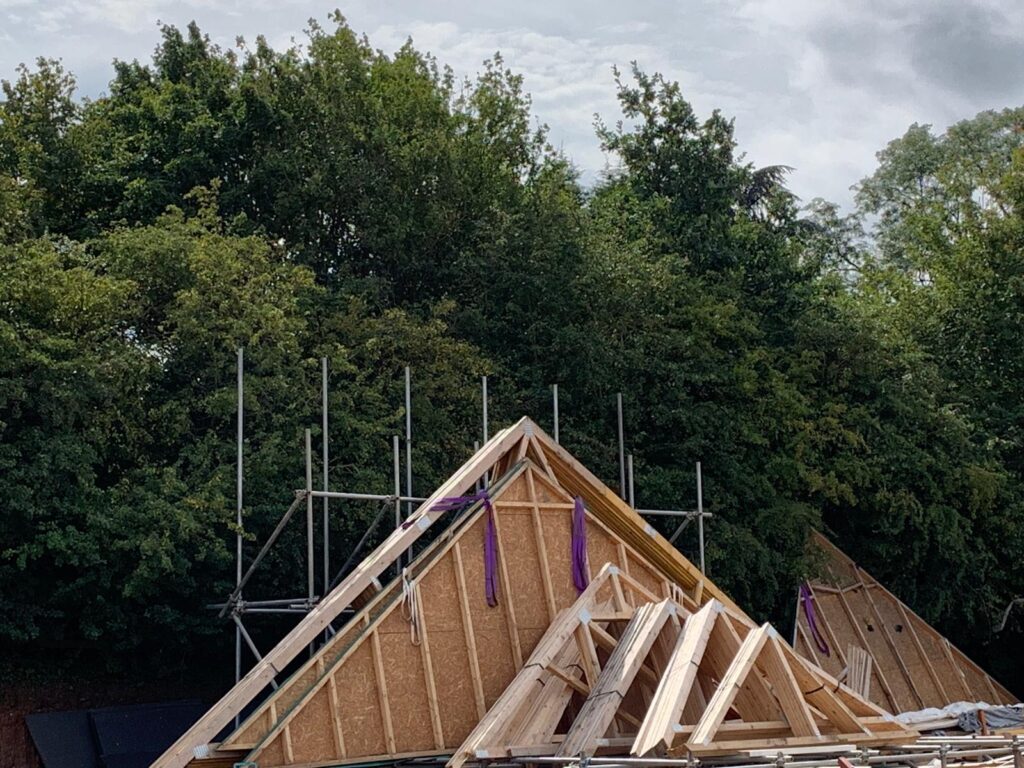
Tell us which plots or components the team needs first. Avoid burying an immediate requirement beneath later work where load planning allows. On phased developments, a shared look-ahead can help align approved designs, manufacture and site readiness.
Read more about our nationwide manufacturing and dispatch service and provide your timing requirements when requesting a quotation.
Confirm the handover at the gate
The driver and site contact should agree where the vehicle will stop and who controls unloading. Delivery paperwork should be checked before components are dispersed. Report visible damage or a discrepancy promptly and retain labels so the team can identify the affected item.
Weather can change access and lifting conditions at short notice. Review the route and hardstanding after heavy rain or new groundworks, and consider wind limits within the site lifting plan. If conditions are unsuitable, communicate before the vehicle commits to the final approach.
Where several suppliers deliver to the same development, maintain a shared logistics plan and avoid overlapping bookings at the gate or crane. The site contact should understand package size and any special components before allocating storage.
After delivery, store trusses in accordance with the project and supplier guidance until erection. Keep references visible and protect the bundle from damage. Delivery planning succeeds only when the package remains identifiable and usable after the vehicle departs.
Make the delivery part of the plan
Delivery works best when project information remains current and responsibilities are clear. Give us the access, contact, unloading and sequencing details before dispatch, then keep us informed if the site changes.
Plan your next delivery with Nuneaton Roof Truss. Call 02476 327722, email info@nuneatonrooftruss.co.uk or visit www.nuneatonrooftruss.co.uk.