
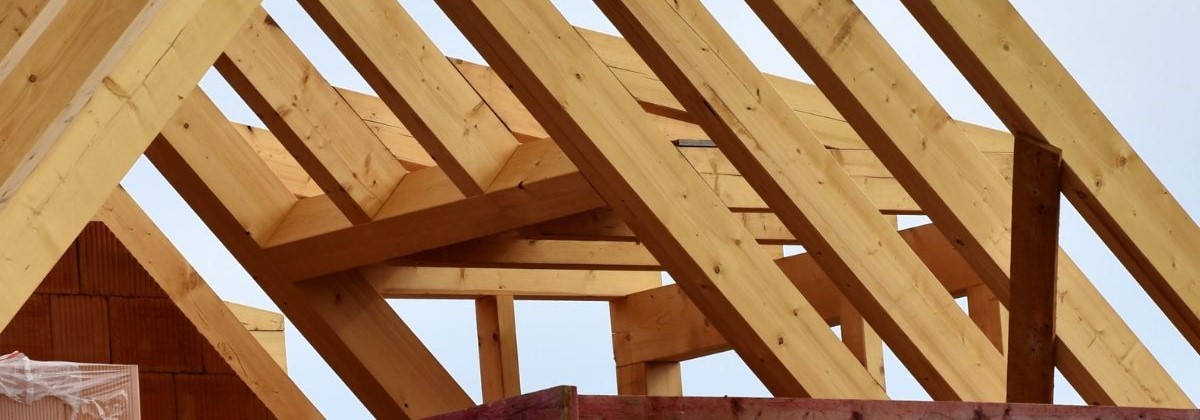
The Timber in Construction Roadmap is becoming one of the most important developments for the UK construction sector. As the industry balances ambitious housebuilding targets with increasingly demanding sustainability requirements, timber is moving further into the spotlight.
For housebuilders, developers and contractors, understanding the Timber in Construction Roadmap is no longer optional. The strategy highlights how engineered timber products can help deliver homes more efficiently while supporting environmental objectives and improving productivity across the construction industry.
As a leading manufacturer of roof trusses, attic trusses and posi-joists, Nuneaton Roof Truss sees first-hand how timber engineering solutions help clients achieve faster, more streamlined project delivery.

Why the Timber in Construction Roadmap Matters
The UK construction industry faces significant pressure to deliver more homes while reducing carbon emissions.
Government initiatives have increasingly recognised the role timber can play in achieving these goals. The roadmap encourages greater use of sustainably sourced timber products throughout residential and commercial developments.
Unlike many traditional construction materials, timber stores carbon throughout its lifecycle. This benefit helps reduce the overall environmental impact of a development while supporting wider net-zero ambitions.
For housebuilders, this creates an opportunity to combine sustainability with practical construction advantages.
The Growing Demand for Faster Construction Methods
Labour shortages and tight project programmes continue to challenge developers across the UK.
As a result, many organisations are turning to offsite-manufactured products that improve efficiency and reduce construction risks.
Engineered timber products such as roof trusses and posi-joists arrive on site ready for installation, helping to reduce programme durations and improve consistency.
This approach aligns closely with the objectives outlined within the Timber in Construction Roadmap, which supports greater adoption of modern methods of construction.
How Engineered Timber Products Support Housing Delivery
Timber engineering solutions help developers achieve several important project objectives.
Improved Construction Speed
Factory-manufactured roof trusses enable installation teams to complete roofing structures significantly faster than traditional cut roof methods.
This reduces weather exposure and allows follow-on trades to begin their work sooner.
Greater Design Flexibility
Modern developments often require a variety of house types and roof configurations.
Engineered timber products allow designers to achieve complex layouts while maintaining structural integrity and manufacturing precision.
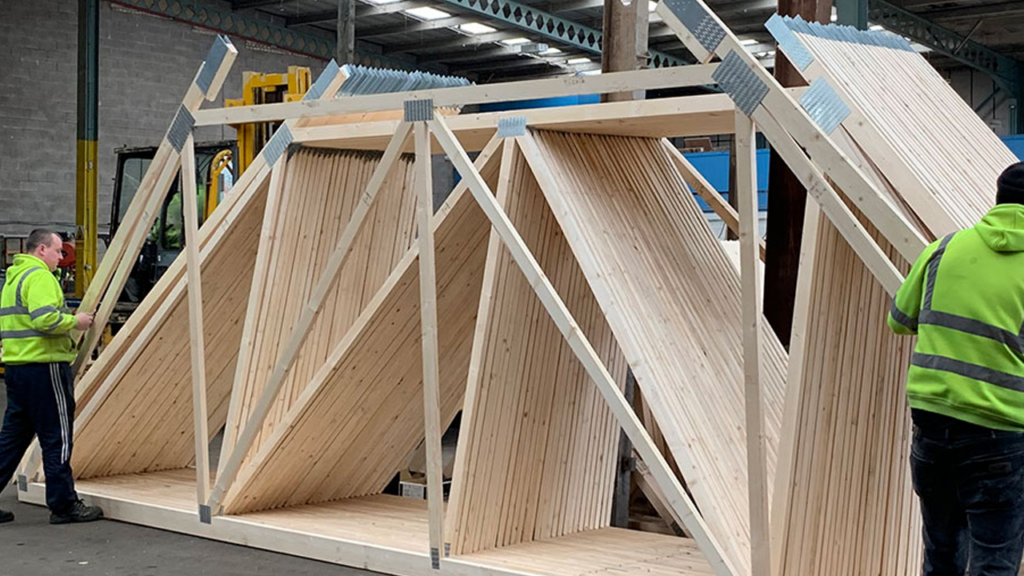
Reliable Quality Control
Products manufactured within controlled environments benefit from consistent quality standards throughout production.
This approach reduces site rework and supports smoother installation.
Better Space Utilisation
Products such as attic trusses allow developers to maximise valuable floor space without increasing a building’s footprint.
As land values continue to rise, this remains an attractive option for many projects.
Why Early Design Collaboration is Essential
One of the key lessons emerging across the construction sector is the value of involving timber specialists early in the design process.
Early engagement helps identify opportunities to optimise structural layouts, improve efficiency and reduce unnecessary costs.
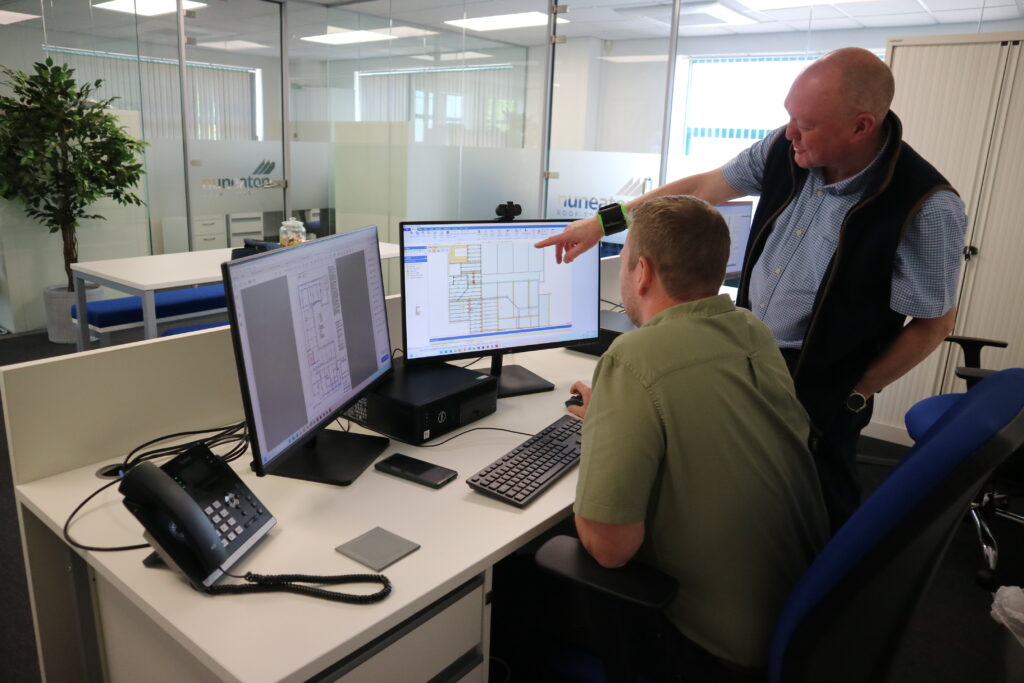
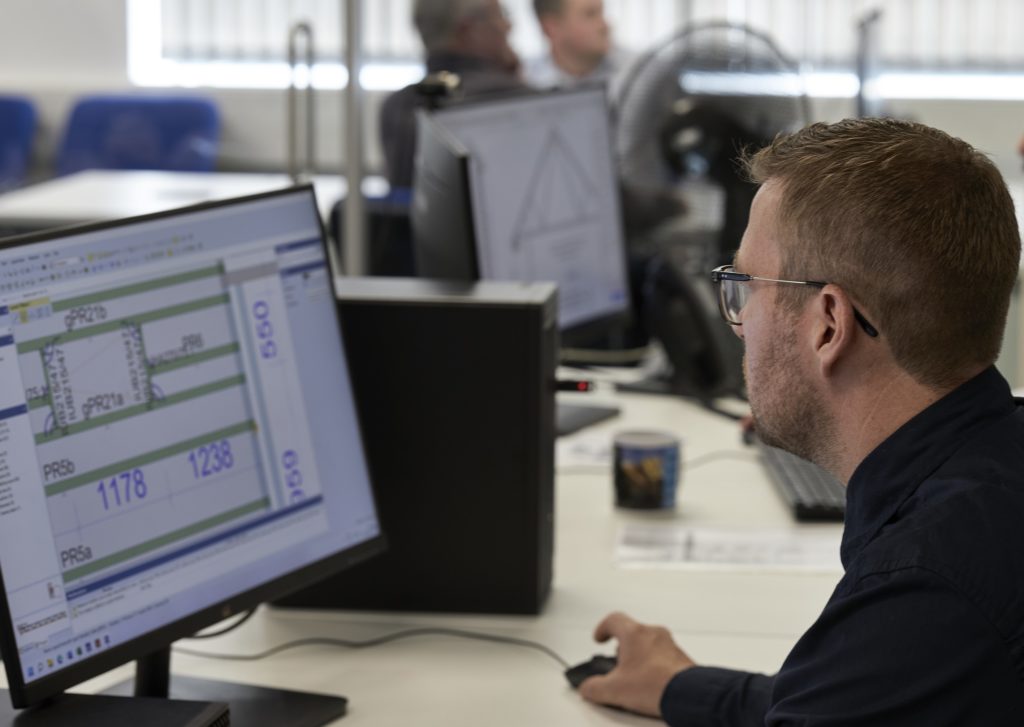
By working closely with architects, engineers and developers from the outset, manufacturers can contribute valuable technical expertise that helps projects progress smoothly from concept through to completion.
The dedicated design team at Nuneaton Roof Truss works with clients at every stage to ensure roof and floor systems integrate effectively with wider project requirements.

Supporting Sustainability Without Compromising Performance
Sustainability remains a major consideration for developers, local authorities and investors.
However, environmental performance cannot come at the expense of structural reliability, programme certainty or commercial viability.
Engineered timber delivers an attractive balance between these priorities.
Modern timber systems provide excellent structural performance while helping reduce embodied carbon compared with many alternative materials.
When combined with responsible sourcing and efficient manufacturing processes, timber engineering products support a more sustainable approach to construction.
Opportunities for Housebuilders
The Timber in Construction Roadmap signals increasing confidence in timber as a key material for the future of UK construction.
Forward-thinking developers are already recognising the benefits that engineered timber products can bring to project performance, sustainability objectives and overall build quality.
As demand for housing continues to grow, the ability to build efficiently while meeting environmental expectations will become increasingly important.
Shaping the Next Generation of Housebuilding
The construction industry is evolving rapidly, and timber is set to play a central role in that transformation. By embracing the opportunities highlighted within the Timber in Construction Roadmap, developers can enhance efficiency, improve sustainability and deliver high-quality homes that meet future requirements.
Whether you are planning a small residential scheme or a large-scale housing development, partnering with an experienced timber engineering specialist such as Nuneaton Roof Truss can help ensure your project benefits from the latest innovations in engineered timber construction.