
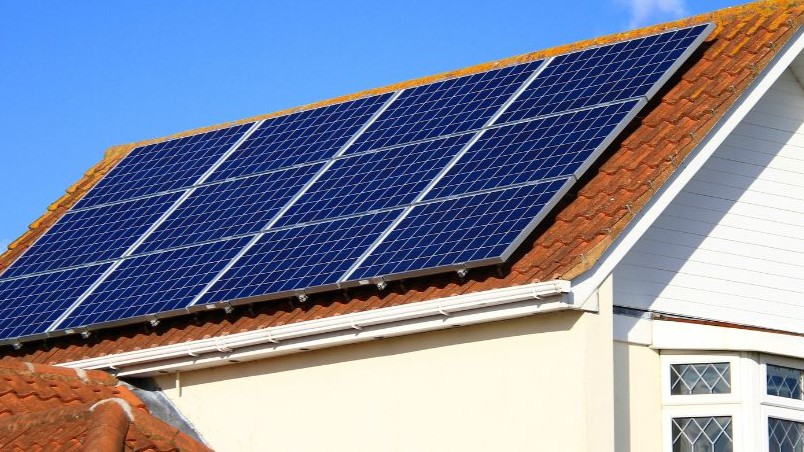
Solar-ready roof trusses are becoming more relevant as developers think ahead about energy performance, buyer expectations and the long-term adaptability of new homes. Even where solar panels are not being installed immediately, more projects are being reviewed with future provision in mind. That makes early roof planning more important than ever.
In simple terms, solar-ready planning means designing the roof with future loads, layouts and coordination in mind rather than treating solar as a separate late-stage add-on. When that thought happens early, the project is easier to manage. When it happens too late, redesign and compromise become more likely.
Why Solar Planning Starts with the Roof Structure
A roof does much more than keep the weather out. It has to support the structural load path, accommodate insulation and ventilation strategies, and increasingly allow for additional technologies such as solar. If those considerations are separated from the truss design process, the roof becomes more difficult to coordinate.
That is why solar provision should be discussed alongside roof trusses and technical support from the beginning. The point is not to over-design every roof. The point is to ask the right questions early enough.
What Solar-Ready Roof Trusses Need to Consider
Roof layout and orientation
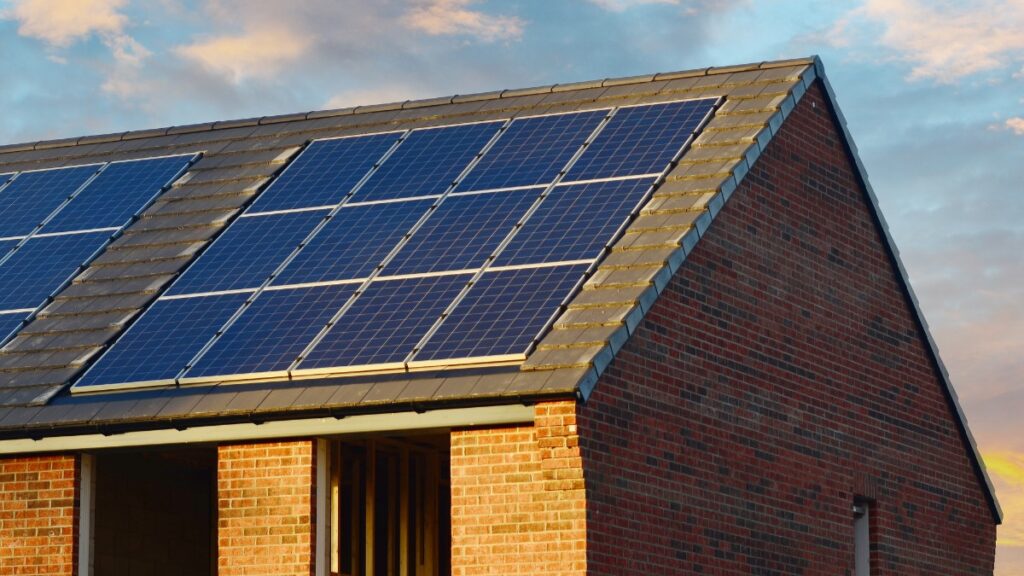
Not every elevation will present the same opportunity for future solar. Discussing likely panel positions early helps the design process stay realistic.
Load assumptions
Additional rooftop equipment can affect structural planning. A project that may carry solar later should be reviewed accordingly.
Fixing strategy and coordination
The structural design does not exist in isolation from the eventual installation approach. Better coordination now helps avoid awkward retrofits later.
Service routes
Where homes are being designed with more future-ready energy systems in mind, service planning deserves attention alongside the roof design.
Whole-house performance
A solar conversation should sit within the broader design picture, not outside it. Roof structure, insulation, ventilation and services all influence how the home performs in practice.
Why Late Changes Cause Problems
Late solar changes often seem manageable until they collide with the reality of the build programme. At that point, what looked like a simple upgrade can trigger wider questions around structure, roof detailing, sequencing and sign-off.
This is not because solar is unusual. It is because roofs work best when all key assumptions are made early. A well-planned roof package supports progress. A constantly changing one tends to create friction.
That is why developers increasingly benefit from engaging structural suppliers early, especially where homes are expected to reflect future-ready energy thinking.
Solar-Ready Does Not Mean Overcomplicated
One concern some teams have is that solar-ready planning will overcomplicate a standard housing scheme. In reality, the opposite is often true. Early coordination simplifies later decisions.
A short design conversation at the right point can be enough to avoid bigger issues later. It allows the roof package to be reviewed with future use in mind without forcing unnecessary complexity into the programme.
If the project also includes coordinated floor or panel packages, it may be worth reviewing the wider products offering at the same time so the structural strategy is aligned.
How This Links to Market Expectations
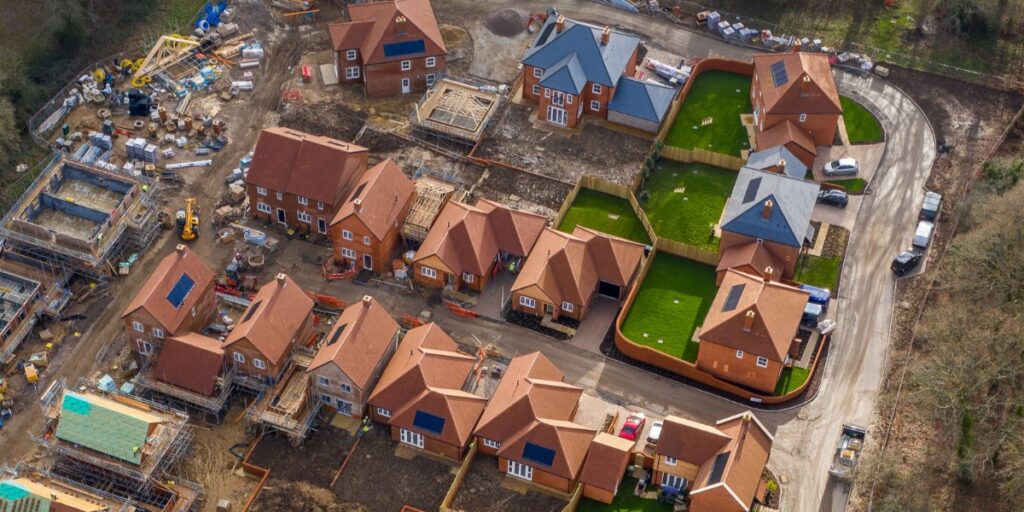
Future-ready homes are increasingly attractive not just because of regulation, but because of buyer perception. Purchasers expect homes to be adaptable, efficient and easier to upgrade. A developer who can show that thought has gone into the roof structure is in a stronger position than one who leaves those questions unresolved.
Solar readiness can therefore become part of a broader value proposition. It tells a practical story about planning, adaptability and long-term performance.
Why Nuneaton Roof Truss Is the Right Partner for Early Roof Planning
At Nuneaton Roof Truss, we work with clients who need more than standard supply. They need structural support that fits the realities of modern housebuilding. That includes roof packages which can respond to changing expectations around energy performance and future flexibility.
Our team can help review drawings, assess likely coordination pressure points and design a roof strategy that supports the wider project rather than creating future constraints. Whether the scheme is a single plot, a self-build or a larger housing development, early truss planning pays off.
You can learn more about the process through our manufacturing page or go straight to Get a Quote.
Final Thoughts
Solar-ready roof trusses are not about adding complexity for the sake of it. They are about making sensible early decisions that protect the build, support future demand and help avoid redesign later.
As energy expectations evolve, the roof will only become more important. Planning ahead now is the smarter move.
If you are reviewing future-ready housing layouts and want advice on solar-ready roof trusses, Nuneaton Roof Truss can help. Speak to our team early and we will help you build a roof package that supports long-term flexibility as well as short-term buildability. Start here: Get a Quote.
Comments are closed.