

Choosing a roof truss supplier is about far more than comparing prices. In reality, the right supplier can help improve programme certainty, simplify construction, reduce site issues and add value throughout a project.
At Nuneaton Roof Truss, we’ve supported developments ranging from small residential schemes to large-scale housing sites since 1999. One thing we’ve learned is that the most successful projects often start with the right conversations long before manufacturing begins.
If you’re planning a future development, here are ten important questions for your roof truss supplier that can help you avoid headaches later.
1. Can You Support Us During the Design Stage?
Many developers assume roof truss manufacturers become involved once drawings are complete.
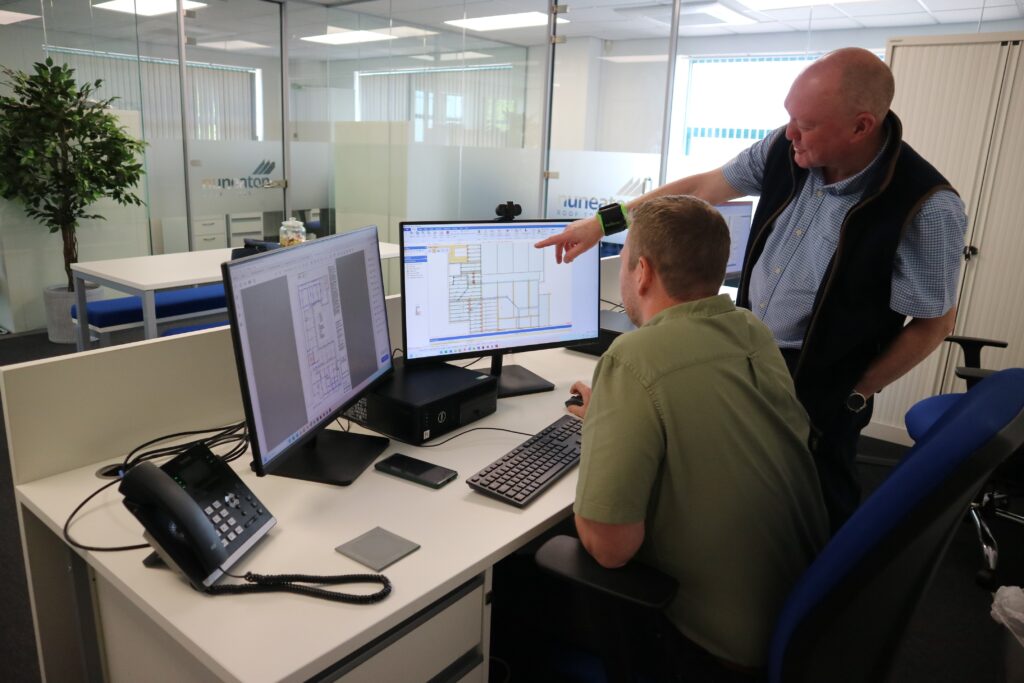
In reality, early design input can often identify opportunities to improve efficiency, simplify layouts and reduce costs before a project reaches site.
At Nuneaton Roof Truss, our in-house design team regularly collaborates with architects, engineers and developers during the planning phase to help ensure roof structures work effectively alongside wider project requirements.
The earlier these conversations happen, the more opportunities there are to add value.
2. Do You Have Experience with Similar Developments?
Not every project presents the same challenges.
A supplier experienced in single-house builds may not necessarily be equipped to support a large multi-phase housing development.
Ask about previous projects, development sizes and the types of clients they regularly work with.
Experience matters because it often means potential issues have been encountered and solved before.
3. What Information Do You Need to Provide an Accurate Quote?
The quality of a quotation often depends on the quality of the information provided.
Clear drawings, layouts and specifications help manufacturers produce accurate designs and realistic pricing.
A good supplier should explain exactly what information is required and highlight any gaps that could create issues later.
This helps avoid surprises once projects move into production.
4. How Early Should We Place Our Order?
One of the most common questions developers ask is:
“When do you need our order?”
The honest answer is usually earlier than expected.
Production schedules, design approvals and delivery planning all take time. Leaving decisions until the last minute can place unnecessary pressure on project programmes.
At Nuneaton Roof Truss, we encourage customers to engage as early as possible so manufacturing capacity can be aligned with project requirements.
5. What Is Your Manufacturing Capacity?
Supply chain reliability has become increasingly important across the construction sector.
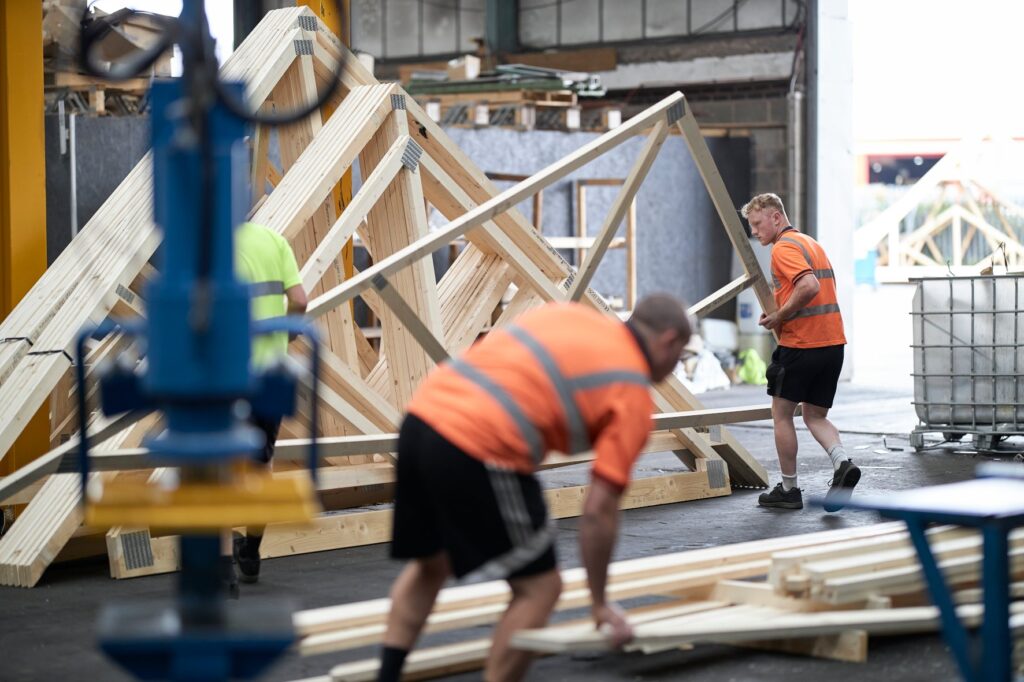
Before selecting a supplier, ask about their manufacturing capability, production capacity and ability to support phased developments.
- Can they scale production if required?
- Can they support multiple plots being delivered simultaneously?
These questions become particularly important on larger developments where programme certainty is critical.
6. What Quality Control Procedures Do You Have?
Roof trusses are a structural component. Accuracy matters.
Manufacturing errors can create delays, site complications and additional costs.
A reputable supplier should have established quality control procedures throughout the design and manufacturing process.

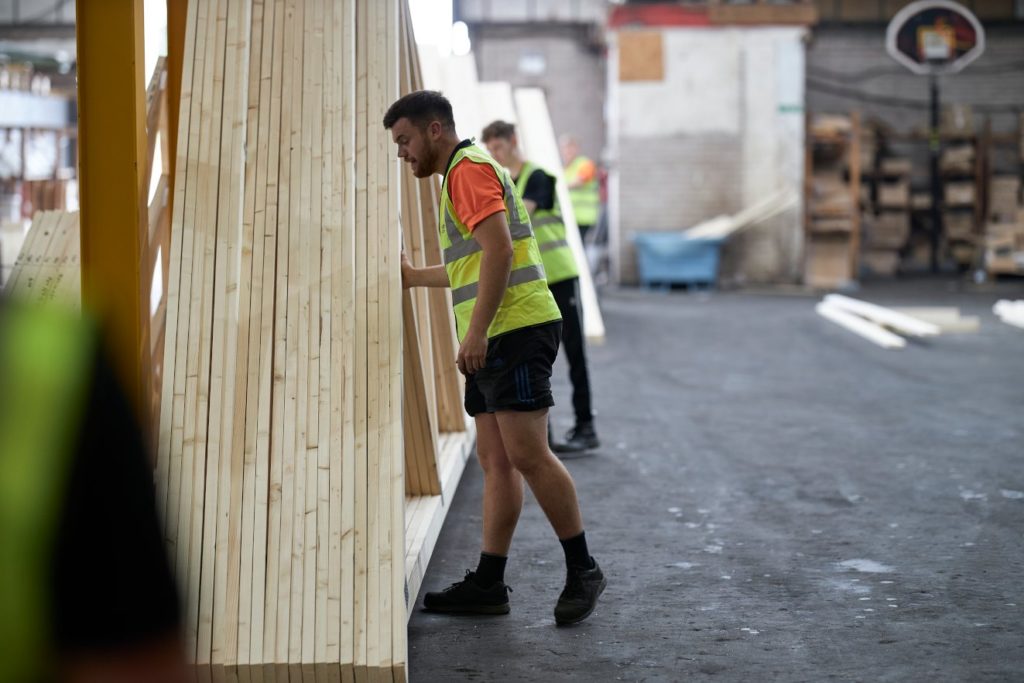
Ask how products are checked before dispatch and how quality standards are maintained.
The answers will provide valuable insight into how they operate.
7. Can You Provide More Than Just Roof Trusses?
Many developers today look for suppliers capable of supporting multiple structural requirements.
At Nuneaton Roof Truss, our product range includes:
Working with a supplier that understands how these systems interact can improve coordination and simplify project management.
You can explore our full product range through our website.
8. What Technical Support Is Available?
Good support doesn’t stop once products leave the factory.
Questions can arise during construction, especially on larger or more complex developments.
Developers should understand:
- Who provides technical assistance?
- How quickly can questions be answered?
- What support is available to site teams?
Strong technical support often makes the difference between a minor query and a costly delay.
9. How Do You Manage Deliveries?
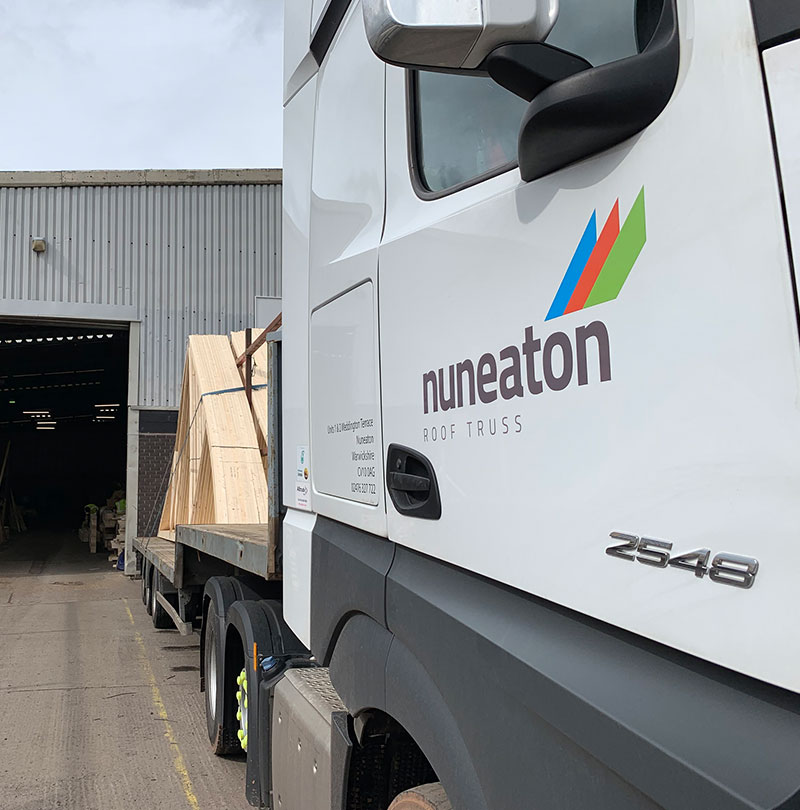
Even the highest quality products can create problems if deliveries are poorly managed.
Ask how deliveries are planned and coordinated.
- Can they accommodate site restrictions?
- Do they understand phased delivery requirements?
- Can they support developments with limited storage space?
Effective logistics planning often plays a major role in project success.
10. What Happens If Something Changes?
Construction projects rarely remain completely unchanged from start to finish.
Design revisions, programme adjustments and evolving site requirements are all part of the industry.
A good supplier should explain how they manage change and what processes are in place to minimise disruption if project details evolve.
Flexibility, communication and experience become especially valuable when circumstances change.
Why These Questions Matter
Too often, roof truss suppliers are chosen based solely on price.
While budgets are always important, the cheapest quote doesn’t always deliver the greatest value.
An experienced supplier can help:
- Reduce design risk
- Improve buildability
- Support programme certainty
- Streamline site operations
- Improve communication
- Minimise costly delays
Those benefits often have a much bigger impact on project success than a small difference in the initial quotation.
Building Better Relationships Creates Better Projects
The best developments are not built by individual companies working in isolation. They are built by teams that collaborate effectively from the earliest stages of planning through to completion.
Asking the right questions for your roof truss supplier helps establish that collaboration from day one. At Nuneaton Roof Truss, we see ourselves as more than a manufacturer.
We work closely with developers, contractors and design teams to help create practical, efficient solutions that support successful project delivery.
The earlier those conversations begin, the greater the opportunities to improve efficiency, reduce risk and keep developments moving forward with confidence.