
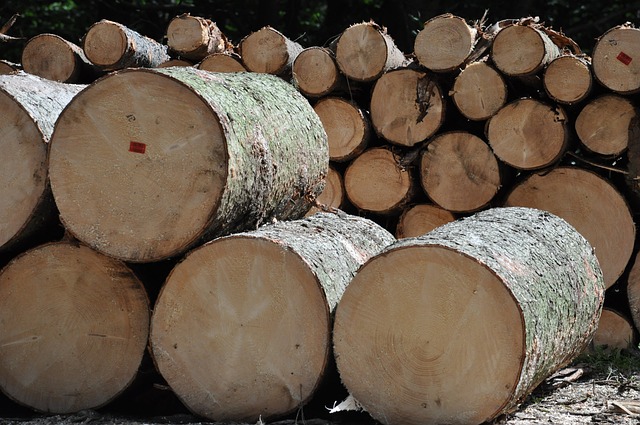
When most people think about sustainable homes, they picture solar panels, heat pumps and lower energy bills. What they rarely think about is the carbon footprint created before the front door has even been fitted.
Yet for developers, architects and contractors, that part of the story is increasingly important.
The conversation around embodied carbon in construction has changed the way the industry thinks about materials, design and procurement. In some cases, decisions made before ground is broken can have a bigger environmental impact than decades of day-to-day building use.
That’s why more developers are beginning to ask a different question:
“How much carbon are we building into a project before anyone moves in?”
Two Houses. Same Layout. Very Different Carbon Footprint.
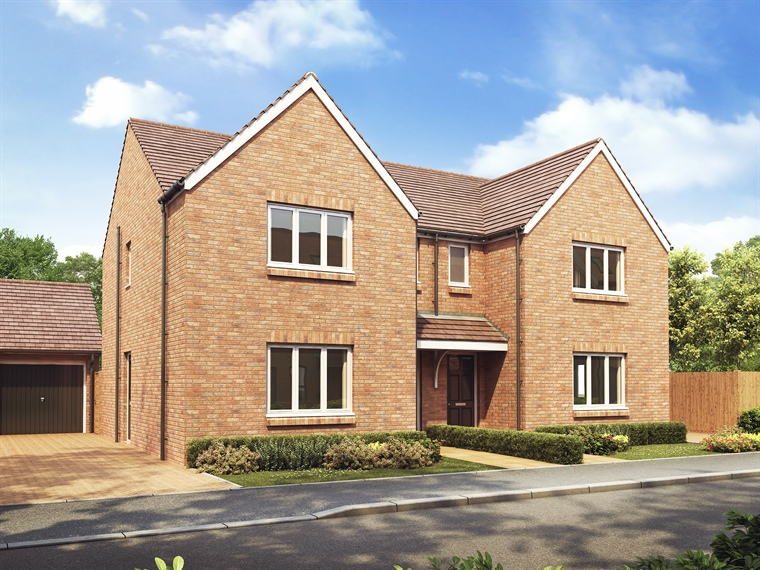
Imagine two identical three-bedroom homes built side by side.
- They have the same floor area.
- The same roof design.
- The same number of rooms.
- The same energy-efficient features.
To a homebuyer, they look almost identical. However, the materials used to build them could tell a very different story.
One property may rely heavily on materials associated with higher manufacturing emissions. The other could incorporate a greater proportion of responsibly sourced engineered timber products.
From the outside, the difference is invisible. From an environmental perspective, the difference could be significant.
This is why embodied carbon in construction is higher up on the agenda for developers, investors and housing providers across the UK.
What We’re Hearing from Developers
At Nuneaton Roof Truss, conversations around sustainability have changed noticeably in recent years.
Five years ago, most discussions focused on programme requirements, lead times and budgets. Today, many developers still ask those questions. However, they’re increasingly asking additional ones:
- Where is the timber sourced?
- How can waste be reduced?
- Are there lower-carbon alternatives?
- How can sustainability targets be supported without affecting programme certainty?
The industry’s priorities are evolving.
Developers are looking for practical ways to build efficiently while demonstrating a commitment to environmental responsibility.
So, What Is Embodied Carbon?
In simple terms, embodied carbon in construction refers to the greenhouse gas emissions created before a building becomes operational.
This includes emissions generated through:
- Material extraction
- Manufacturing
- Transportation
- Installation
- Maintenance and replacement
- End-of-life disposal
While operational carbon focuses on how a building performs during its lifetime, embodied carbon focuses on the impact of creating it in the first place.
For many years, operational energy efficiency dominated sustainability discussions. However, as modern homes become more energy efficient, embodied carbon is receiving greater attention.
The Biggest Carbon Decisions Often Aren’t the Obvious Ones
When sustainability is discussed, attention often turns to highly visible technologies:
- Solar panels
- Heat pumps
- Electric vehicle charging points
- Smart energy systems
These all play an important role. However, some of the most significant environmental decisions happen much earlier. They happen when project teams select structural systems, floor solutions and roof structures.
By the time a development reaches site, many of those choices have already been made. That is why early planning and material specification are becoming increasingly important components of sustainability strategies.
Why Timber Is Part of the Conversation
Timber has long been valued for its strength, versatility and efficiency. Today, it is also recognised for its role in helping developers reduce project carbon footprints.
Unlike many construction materials, timber is a renewable resource. Trees absorb and store carbon during growth, and much of that carbon remains locked within timber products throughout their service life.
This makes engineered timber products an attractive option for developers seeking practical ways to reduce embodied carbon in construction.
How Engineered Timber Products Contribute
At Nuneaton Roof Truss, sustainability is considered throughout the design and manufacturing process.
Our engineered timber solutions support developers by delivering structural performance alongside efficient material usage.
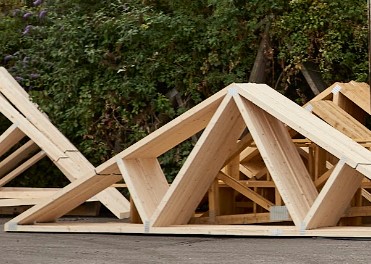
Roof Trusses
Modern roof trusses are designed using advanced engineering software to optimise material efficiency while maintaining structural integrity.
This helps reduce waste and supports efficient manufacturing.
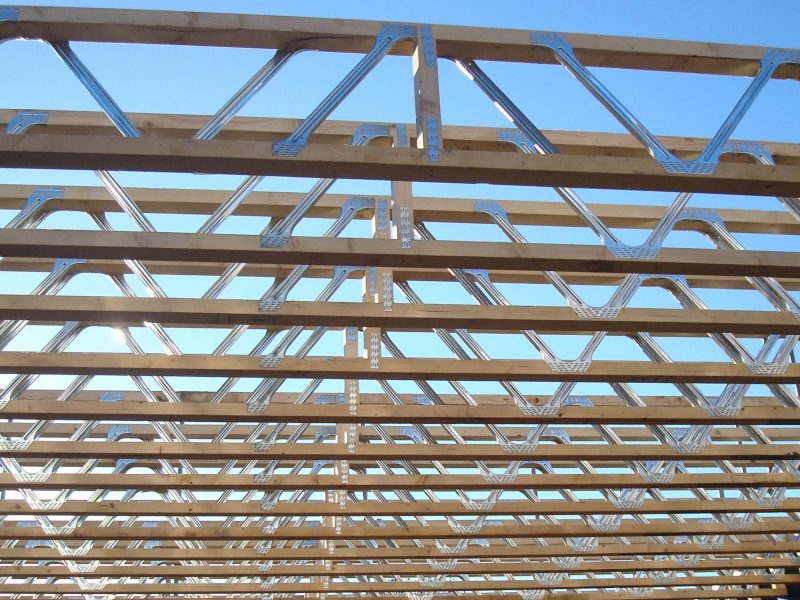
Posi-Joists
Posi-joists provide excellent flexibility for service integration.
Their open-web design allows building services to pass through the structure without the need for extensive drilling or site modifications, reducing additional material use and installation complexity.
Attic Trusses
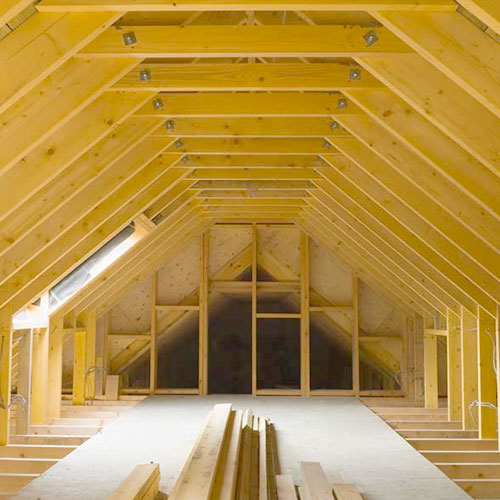
Attic Trusses create valuable additional living space within the roof structure.
By maximising usable floor area without extending a building’s footprint, they can help developers use land and materials more efficiently.
Sustainability Isn’t Just About Materials
One common misconception is that embodied carbon is only influenced by product selection. In reality, manufacturing processes matter too.
Offsite manufacturing allows products to be designed, produced and quality-checked within controlled environments. This can help reduce:
- Material waste
- Site deliveries
- Rework
- Installation errors
At Nuneaton Roof Truss, our manufacturing processes are designed to support both efficiency and consistency, helping clients achieve smoother project delivery while reducing unnecessary waste.
What Happens to our Timber Offcuts?
When people think about sustainability in construction, they often focus on the finished building. However, sustainability is just as important during the manufacturing process.
One question we’re occasionally asked is:
“What happens to all your timber offcuts?”
Rather than treating those materials as waste, we put them to good use.
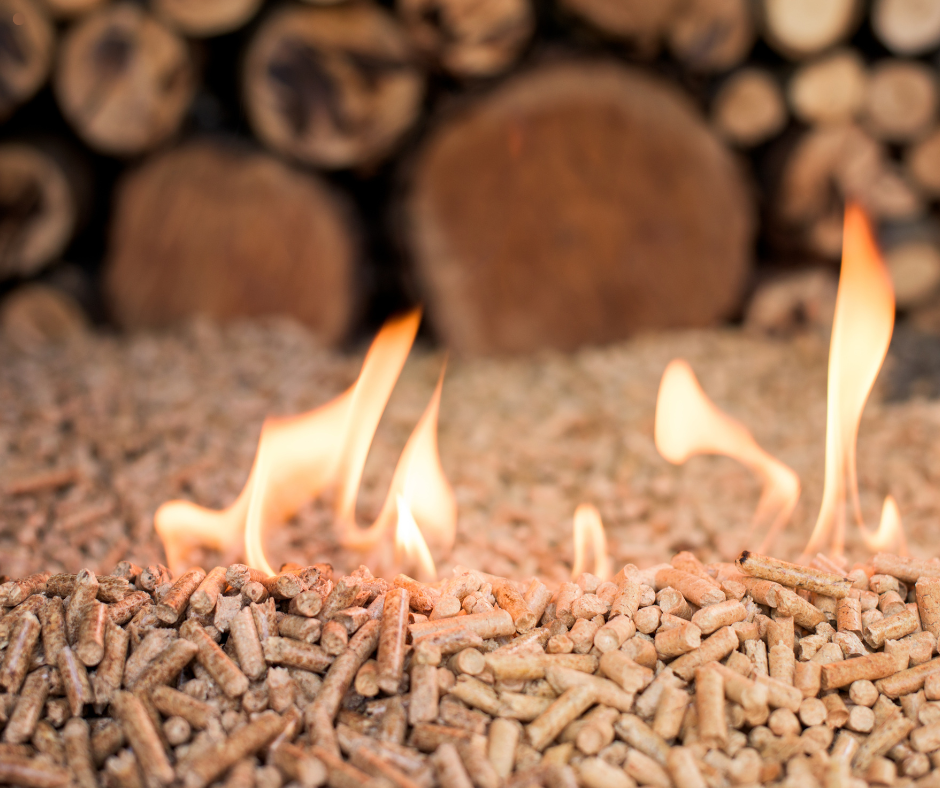
Our manufacturing facility operates a biomass boiler, which uses timber offcuts and wood waste generated during the production process as fuel. This allows us to make better use of materials that might otherwise be discarded while helping to reduce unnecessary waste.
It’s a practical example of how sustainability extends beyond the products we manufacture. It also applies to the way we operate as a business.
The Most Important Sustainability Decisions May Already Be Made
By the time a homeowner walks through the front door of a completed property, many of the most important sustainability decisions have already happened.
- The materials have been selected.
- The structural systems have been designed.
- The manufacturing processes have been chosen.
- The environmental impact is already largely defined.
That is why embodied carbon in construction is becoming such an important discussion across the housebuilding sector.
At Nuneaton Roof Truss, reducing waste is not a standalone initiative. It’s part of a wider commitment to using resources responsibly and continually improving efficiency wherever possible.
We believe the best outcomes are achieved when sustainability, practicality and performance are considered together. By involving timber engineering specialists early, developers can make informed choices that support both project success and long-term environmental objectives.