
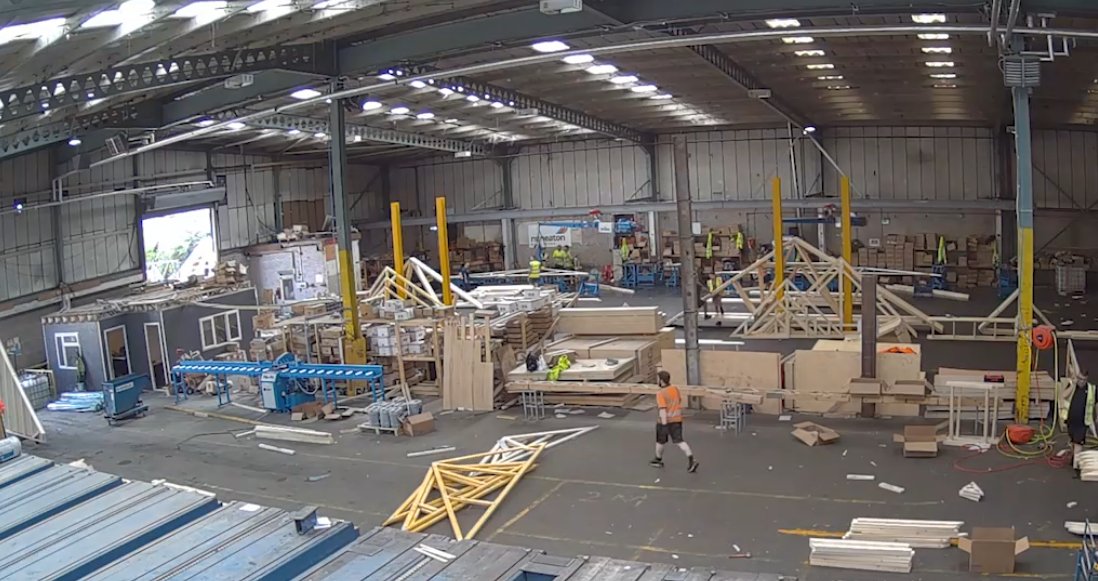
Twenty years ago, many construction professionals viewed Modern Methods of Construction (MMC) as an emerging trend.
Today, that’s no longer the case.
Roof trusses, engineered floor systems, timber frame construction and offsite manufacturing are firmly established within UK housebuilding. Most developers have used some form of MMC, and many would struggle to imagine delivering projects without it.
Yet an interesting question remains:
If Modern Methods of Construction are so effective, why do some projects still experience delays, inefficiencies and costly complications?
At Nuneaton Roof Truss, we’ve supported developments ranging from a handful of plots to major residential schemes. One thing we’ve learned is that Modern Methods of Construction doesn’t automatically guarantee better outcomes.
The products matter. But the way they’re planned, specified and managed matters just as much.
Let’s explore five myths that continue to catch developers out.
Myth 1: MMC Automatically Makes Projects Faster
This is probably the most common misconception.
Many people assume that using offsite-manufactured products automatically accelerates a build programme.
In reality, MMC provides the opportunity for greater efficiency. It does not remove the need for effective planning.
For example, roof trusses manufactured offsite can be installed far more quickly than traditional cut roofs. However, if drawings are delayed, approvals are incomplete or deliveries aren’t coordinated properly, programmes can still suffer.
The most successful projects combine MMC with strong project management and proactive planning.
The Reality
Modern Methods of Construction can significantly improve efficiency, but only when supported by effective processes and communication.
Myth 2: Offsite Manufacturing Solves Every Problem
Offsite manufacturing offers major advantages.
- Improved quality control.
- Consistent production standards.
- Reduced material waste.
- Greater programme certainty.
However, it isn’t a magic solution.
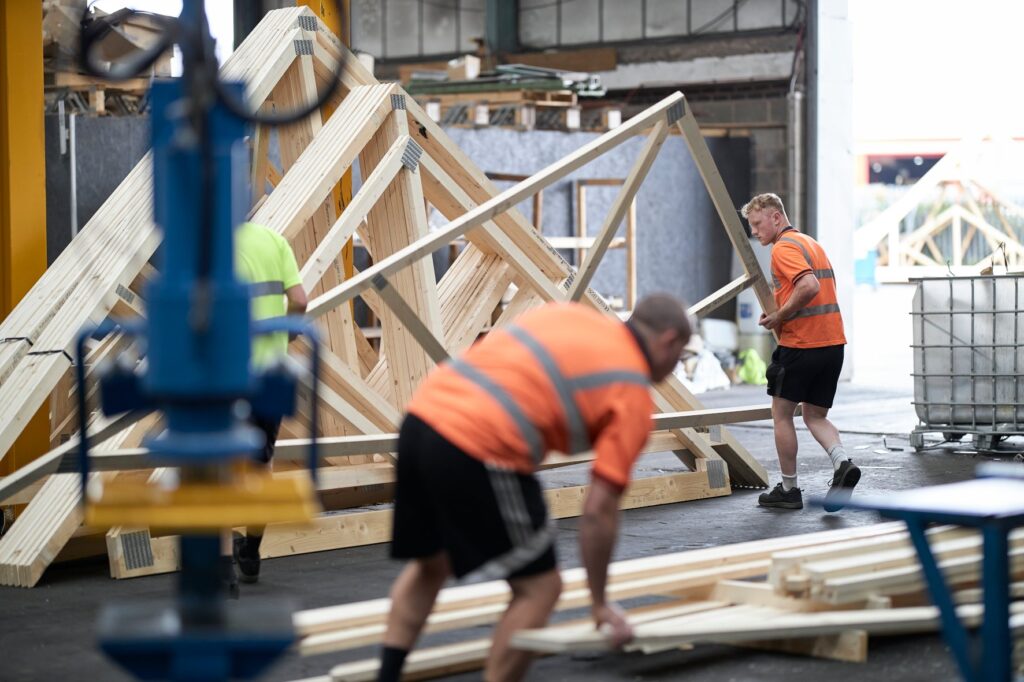
At Nuneaton Roof Truss, every roof truss and Posi-Joist system is carefully designed and manufactured before reaching site. That reduces many traditional construction risks, but successful outcomes still depend on accurate information and good decision-making.
When information is incorrect or design changes arrive late, even the most efficient manufacturing process can face challenges.
The Reality
Offsite manufacturing reduces risk. It does not eliminate it.
Myth 3: MMC Is Just About Products
When people discuss Modern Methods of Construction, the conversation often focuses entirely on the products themselves.
- Roof trusses.
- Timber frame systems.
- Floor cassettes.
- Panelised construction.
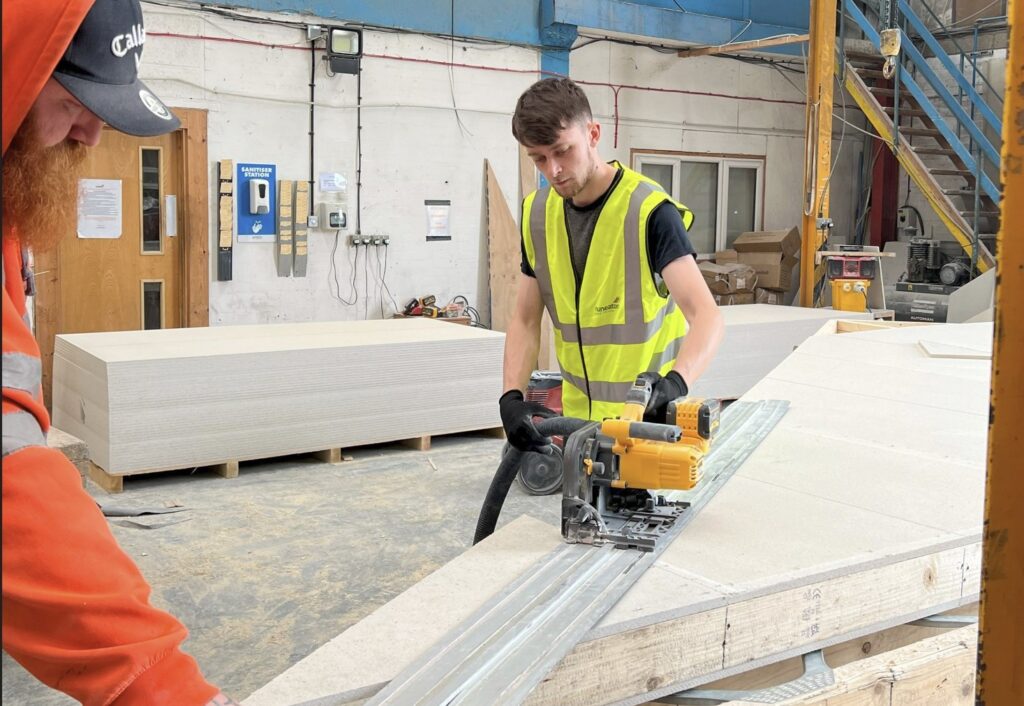
But some of the biggest benefits actually come from changing the way projects are delivered.
The developers who consistently gain the most value from MMC often embrace:
- Better planning
- Greater standardisation
- Improved coordination
- Earlier decision-making
- Stronger communication
In other words, they adopt some of the same principles found in successful manufacturing businesses.
The Reality
MMC is as much about process as it is about products.
Myth 4: Every Development Needs a Bespoke Solution
There will always be projects that require complex and highly bespoke structural solutions.
However, many developments become more complicated than they need to be.
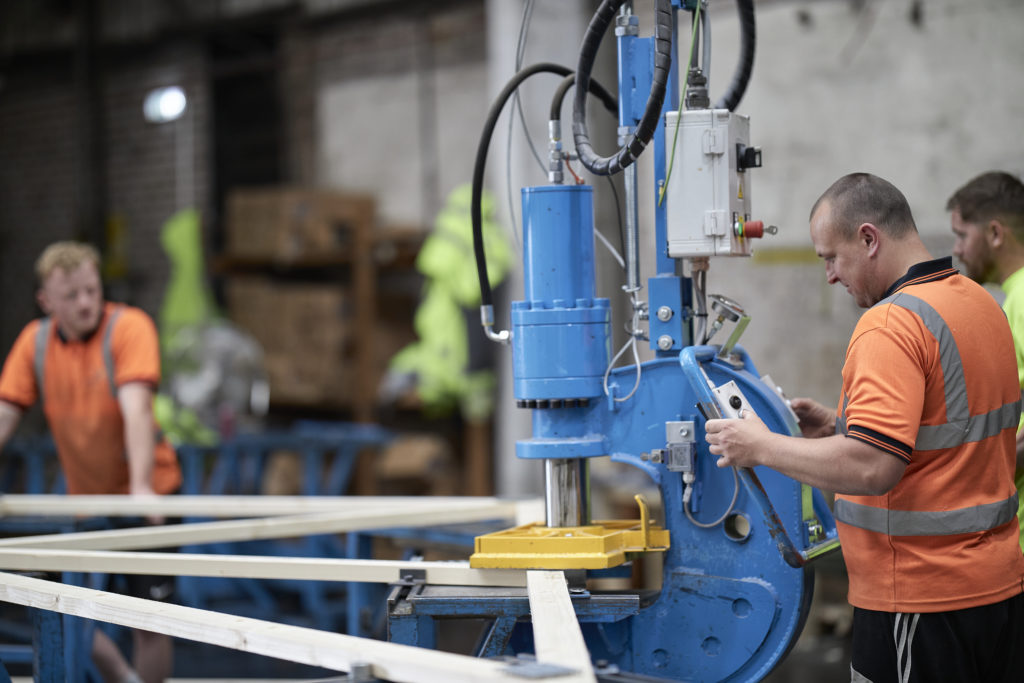
At Nuneaton Roof Truss, we’ve seen how standardising structural elements across multiple plots can improve efficiency without affecting the appearance or market appeal of a development.
Repeated roof designs can simplify:
- Design work
- Manufacturing
- Procurement
- Site installation
The result is often lower risk and greater programme certainty.
The Reality
Sometimes the smartest solution is the simplest one.
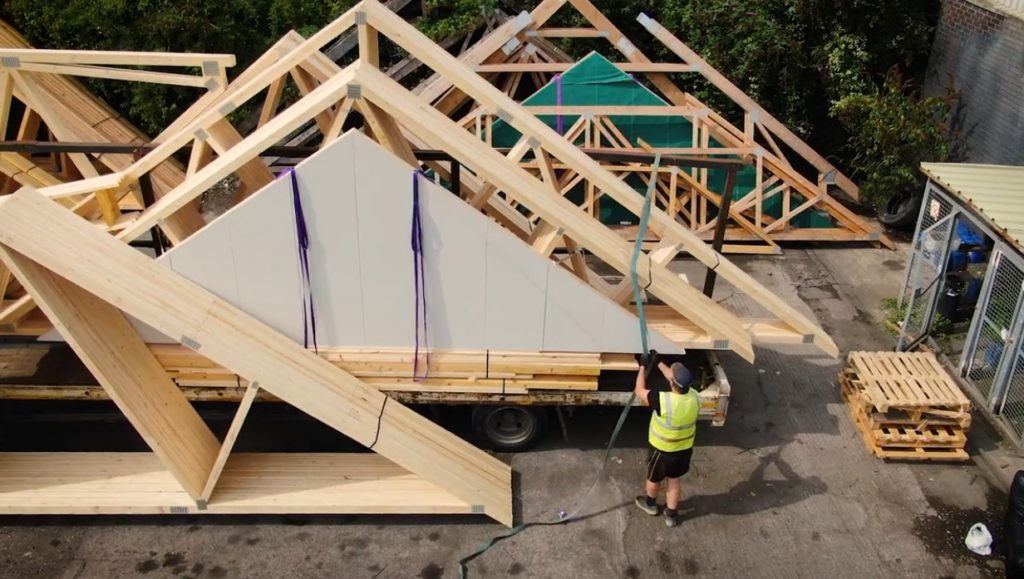
Myth 5: Once Products Arrive on Site, the Hard Work Is Done
Many project teams view product delivery as the finish line.
In reality, it’s only part of the journey.
Success still depends on:
- Site preparation
- Delivery coordination
- Installation planning
- Effective communication between trades
The projects that perform best tend to treat manufacturing, delivery and installation as connected stages rather than separate activities.
This mindset helps minimise disruption and improve overall project performance.
The Reality
MMC works best when the entire process is considered, not just the manufacturing stage.
What We’ve Learned at Nuneaton Roof Truss
One of the most interesting observations from years of supplying engineered timber products is that the smoothest projects are rarely the most complicated.
They are usually the projects where everyone understands their role, information is available when needed and decisions are made early.
The products themselves often perform exactly as expected. The difference usually lies in the planning. That’s why the conversation around Modern Methods of Construction has evolved.
The discussion is no longer about whether MMC works.
The discussion is about how to maximise its benefits.
The Biggest Advantage of MMC Might Not Be Speed
When people think about Modern Methods of Construction, they often focus on one thing: faster build times.
Speed matters.
However, many experienced developers would argue that the greatest benefit is actually certainty.
- Certainty around design.
- Certainty around quality.
- Certainty around programme delivery.
- And certainty around project outcomes.
At Nuneaton Roof Truss, we believe that is where Modern Methods of Construction deliver their greatest value. Not because they remove every challenge, but because they create opportunities for better planning, better coordination and better project performance from the outset.