
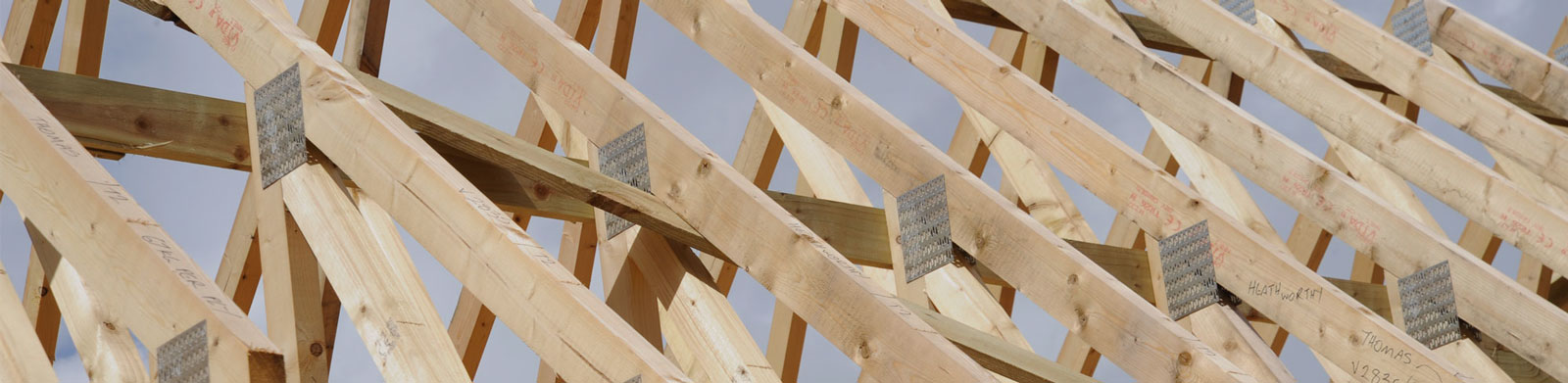
A treated timber specification should begin with one practical question: where will the timber sit in the finished building? Internal roof members, external joinery and timber near damp conditions face different risks. When the project team defines the end use clearly, the treatment provider can apply the right process and give useful handling and aftercare guidance.
Why end use drives the treated timber specification
Preservative treatment helps protect suitable timber against fungal decay and insect attack. However, no single treatment suits every application. The specification needs to consider exposure, whether the timber sits above the damp-proof course, and whether a maintained coating will protect an external component.
Nuneaton Roof Truss applies VACSOL protection to manufactured roofing and flooring components. We can also treat customers’ own building and joinery timbers. Typical internal items include roof timber, purlins, joists, wall plates and plywood. External examples include soffits, fascia boards, bargeboards, cladding and doors.
Understand the use class
Use classes describe the risk of biological attack in service. Internal dry timber and timber that may face occasional wetting do not share the same exposure. External timber above ground adds another set of conditions. Therefore, identify the intended use before treatment rather than relying on a broad request for “treated timber”.
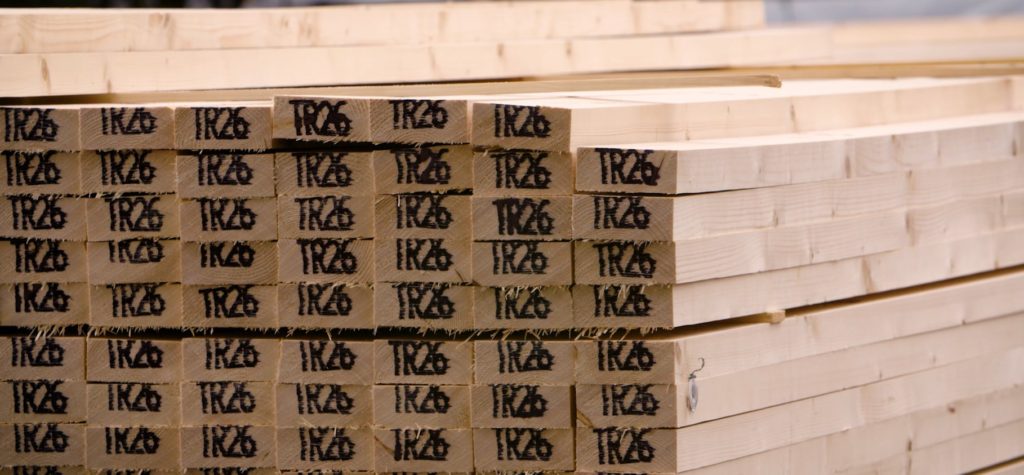
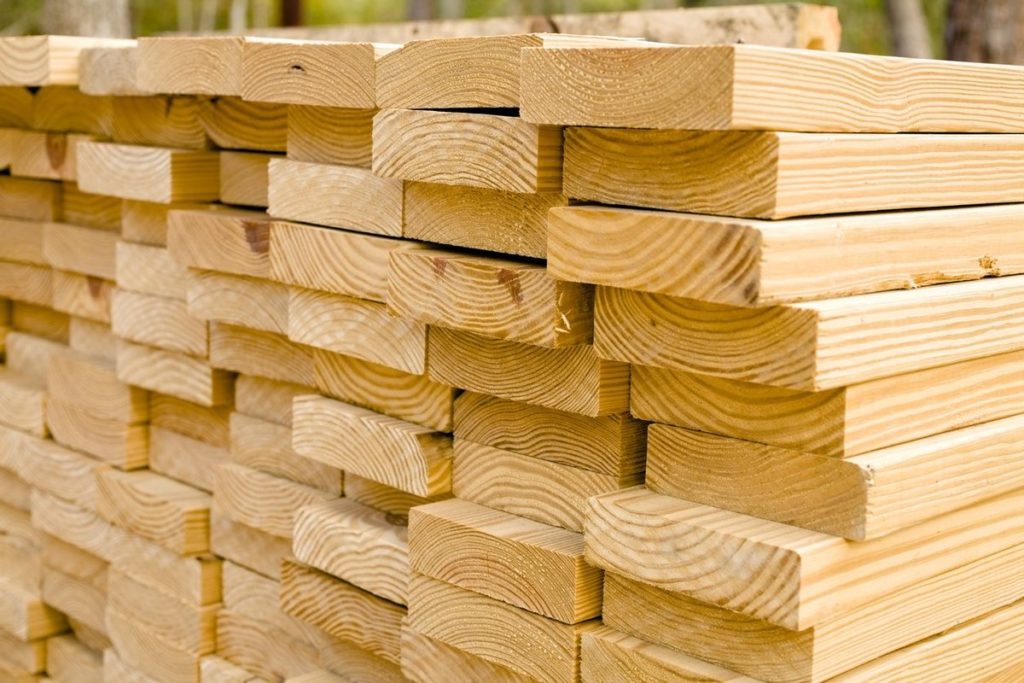
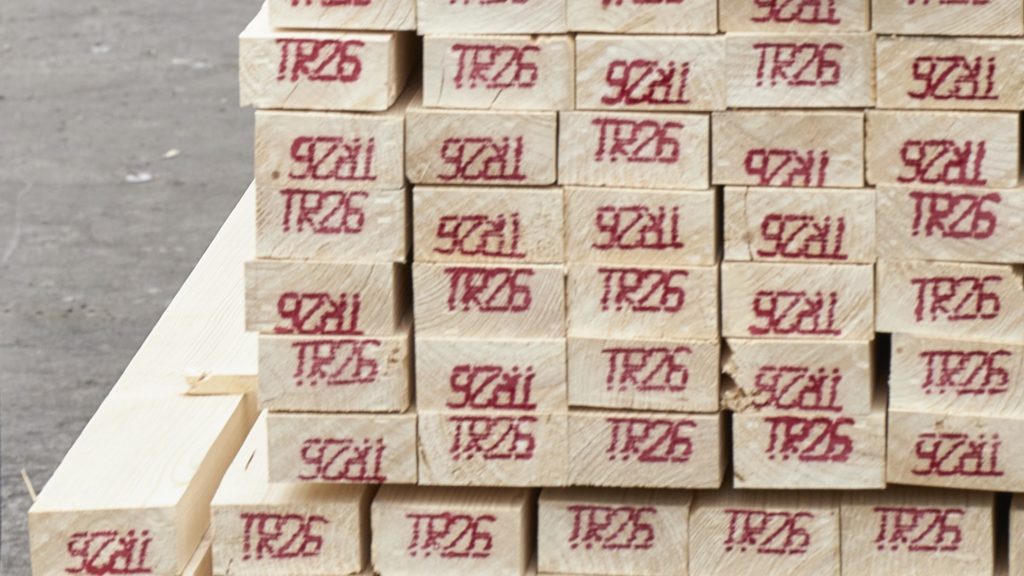
The treatment supplier also needs the timber species and required service life. Good design still matters after treatment. Keep water from collecting, detail joints carefully and allow components to dry where the application requires it.
What the double-vacuum process achieves

VACSOL uses a controlled, low-pressure double-vacuum process. The method creates an outer envelope of preservative protection while limiting moisture uptake compared with high-pressure processes. This helps the timber dry faster and retain its original dimensions.
The protection works best when the correct treatment specification matches the final use. Clear treatment may leave the timber looking almost unchanged, so identification and documentation matter. Keep delivery records and treatment information with the project quality file.
Do not overlook coatings and site cutting
External treated timber above the damp-proof course needs an appropriate, well-maintained decorative coating where the specification requires one. Treatment does not replace good maintenance. Follow the coating manufacturer’s preparation and reapplication instructions throughout the component’s life.
Site cutting may expose untreated timber beneath the protective envelope. Minimise alterations by ordering accurate sizes. Where cutting or drilling cannot be avoided, follow the treatment provider’s guidance for exposed areas. Never assume that a cut end has the same protection as the factory-treated surface.
A useful enquiry checklist
Before requesting a quotation, provide:
- the component and timber species
- the final internal or external location
- the expected exposure to moisture
- the required service life or project specification
- dimensions, quantities and programme dates
- details of any later coating or finishing system
This information helps the treatment team assess suitability and avoids ambiguity. It also gives designers, buyers and site teams a consistent basis for inspection.
Link treatment with responsible procurement
Durability forms one part of a responsible timber strategy. Traceability and chain-of-custody information also matter. Nuneaton Roof Truss holds PEFC and BM TRADA credentials, which support the tracking of responsibly sourced timber through the supply chain. You can review our approach on the Nuneaton Roof Truss home page.
Specify once, protect for the intended use
A precise treated timber specification connects the preservative process with the component’s real conditions. Define the end use, record the treatment and follow the aftercare requirements. For advice on Nuneaton Roof Truss treated components or a treatment-only enquiry, visit our treated timber page.