
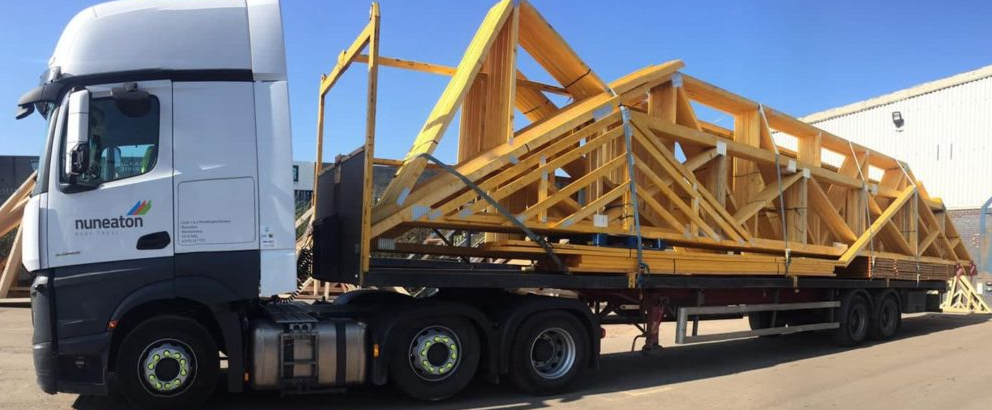
Sustainable construction logistics rarely receives the same attention as materials or building performance. However, every delivery uses fuel, road capacity and time. Better coordination can reduce avoidable mileage, failed drops and urgent return journeys while helping site teams receive the right package at the right stage.
Sustainable construction logistics starts before the vehicle moves
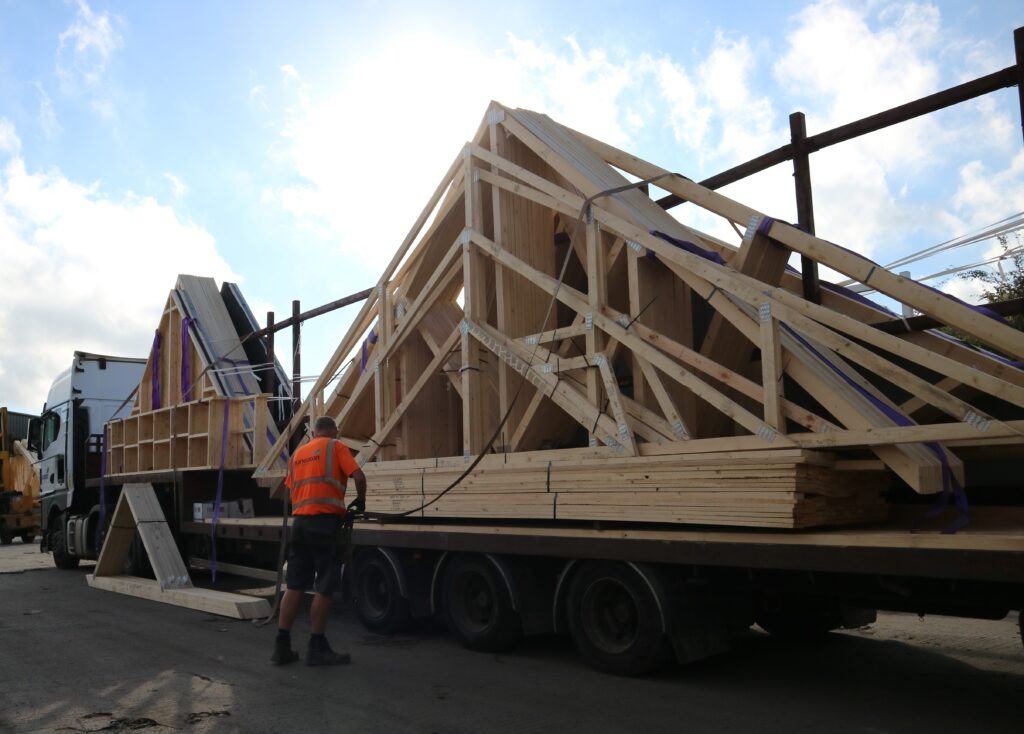
A transport plan needs accurate order information, confirmed delivery dates and realistic access details. The supplier must understand the package size, site address, contact, vehicle restrictions and unloading method.
Customers also need visibility. A confirmed delivery window helps the site manager prepare labour, plant and storage. When both sides share current information, the vehicle has a better chance of completing the delivery as planned.
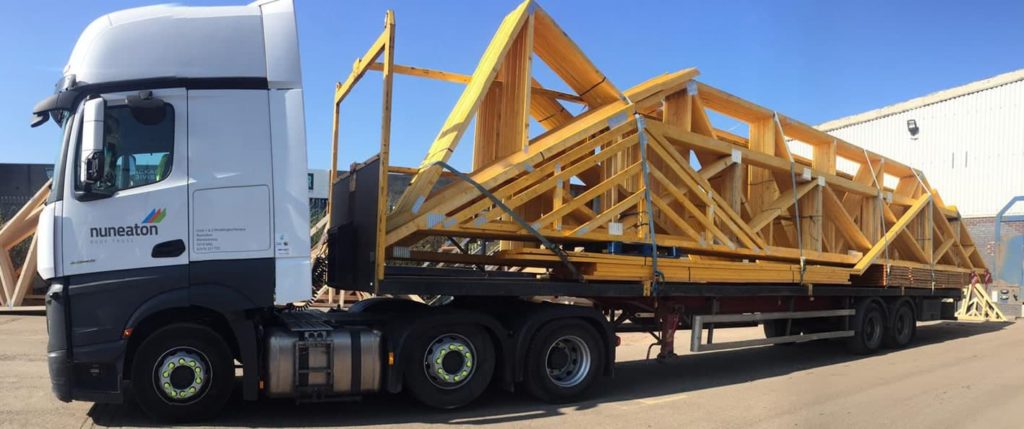
We carefully schedule distribution to minimise the miles travelled when delivering trusses and joists. We use our own fleet alongside trusted contracted hauliers and can operate rigid and articulated vehicles for agreed requirements. Read more on the our Sustainability page.
Vehicle choice should reflect the site
An articulated vehicle can carry a substantial package, but it will not suit every access route. A rigid vehicle may offer a better option for a constrained site, subject to load dimensions and capacity.
Giving the supplier complete access information reduces the risk of sending an unsuitable vehicle. Share narrow approaches, gate dimensions, turning constraints, weight limits, delivery-hour restrictions and nearby hazards. Include photographs or a marked plan where they clarify the route.
Selecting the right vehicle first time supports efficiency. It can also reduce disruption to neighbours and other site traffic.
Site readiness prevents wasted journeys

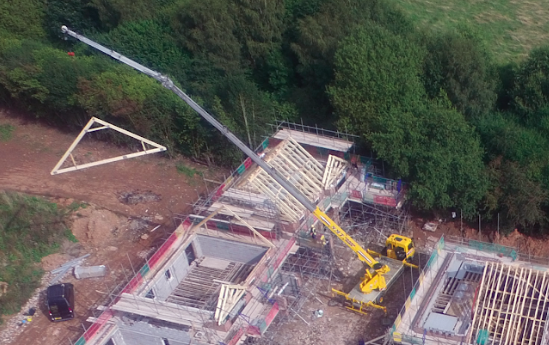
A delivery cannot succeed if the site lacks safe access or an agreed unloading arrangement. Check the route, hardstanding, crane or telehandler requirement, exclusion zone and storage location before the vehicle arrives.
Weather and ongoing groundworks can change site conditions. If access becomes unsuitable, tell the supplier early. Replanning may be inconvenient, but a controlled change is better than a failed or unsafe delivery.
We provide site information covering unloading, with mechanical unloading recommended. Customers remain responsible for their own site arrangements under the agreed terms, so review the relevant order and delivery documents.
Combine information where it improves efficiency
Phased developments need packages in a sequence that matches the build. Sending too much material may overwhelm storage and increase damage risk. Sending fragmented orders may create unnecessary journeys.
The right balance depends on plot readiness, vehicle capacity and package size. Buyers, planners and site managers should review the programme together. Where practical, coordinated drops can make better use of a vehicle without compromising identification or handling.
Avoid ordering through disconnected channels. One schedule with clear plot references helps the supplier plan production and transport together.
Measure more than arrival time
On-time delivery matters, but it does not tell the whole story. Useful logistics measures can include failed deliveries, redirections, waiting time, vehicle utilisation and avoidable urgent journeys.
Reviewing these events can expose repeated causes. Perhaps access details arrive too late, storage areas remain unclear or changes fail to reach transport teams. Solving the process issue can improve both carbon efficiency and programme reliability.
Link logistics with responsible manufacturing
Delivery represents one part of a wider environmental approach. We also manage material wastage, recycle where possible, work with chain-of-custody-certified suppliers and use timber by-products within our biomass heating system.
These actions address different stages of the operation. Responsible sourcing supports the input. Material optimisation and recycling address production. Smarter delivery scheduling addresses movement to site.
Five actions for the next order
Before confirming delivery:
- Provide a complete site address and contact.
- Confirm rigid or articulated vehicle access.
- Prepare safe hardstanding and unloading equipment.
- Match the package sequence to plot readiness.
- Report programme or access changes immediately.
These simple actions help transport teams plan with better information.
Waiting time is a shared issue
A vehicle that waits because access is blocked or unloading equipment is unavailable still uses resources and loses capacity. The same delay can affect later deliveries. We therefore encourage customers to prepare the route and unloading area before the agreed arrival.
Our drivers also need a reachable site contact. If conditions have changed, a quick decision can prevent unnecessary movement around a development. Recording the reason for repeated waiting helps us and our customers improve future plans.
Use return information to improve the next phase
Logistics planning should learn from completed deliveries. We can compare the expected vehicle and unloading plan with what happened on site. Customers can tell us whether package sequencing and identification supported the build.
On phased developments, that feedback is especially valuable. A lesson from the first plots can improve later drops without changing the engineered product. Small adjustments to contact details, arrival routes or package order may create a smoother programme and reduce avoidable handling.
Make every delivery count
Sustainable construction logistics turns coordination into an environmental and operational benefit. The right vehicle, a ready site and a realistic package sequence can prevent avoidable movement.
To discuss delivery requirements for an order, call 02476 327722 or visit our contact page.